
While much of the entertainment conversation focuses on big-budget fantasy and prestige drama, something equally important is happening in children’s media. Publishers, studios, and parents are rediscovering the long-term value of children’s book worlds that respect imagination, intelligence, and emotional depth. This is not a nostalgia-only trend. It’s a recalibration.
Recent years have shown that children don’t need stories simplified to hold their attention. They need stories that invite them in and trust them to stay.
This shift is visible across books, television, and animation, and it carries meaningful implications for new story worlds that are being built today.
One of the clearest signals is the success of character-driven children’s adaptations. Properties like Dog Man have proven that humor, heart, and strong visual identity can translate across mediums without losing their soul. These stories work because they understand their audience. They do not talk down. They build a world with internal rules, emotional continuity, and a sense of belonging.
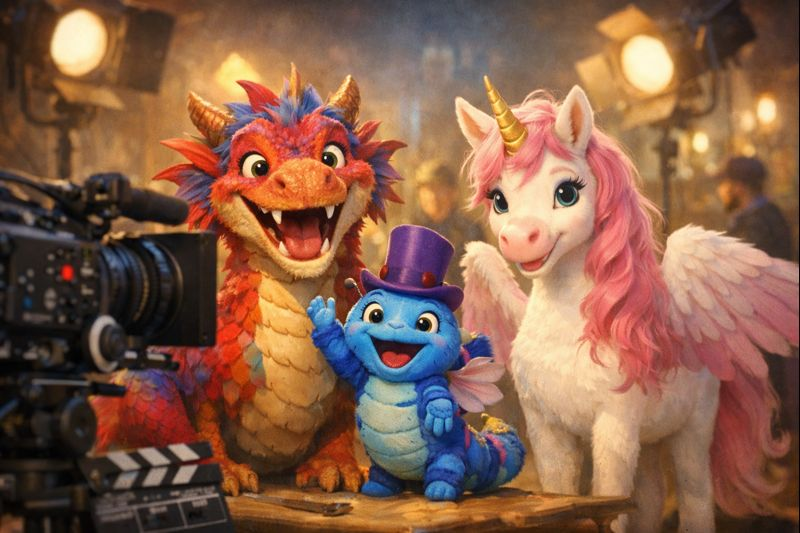
At the same time, the rediscovery and celebration of legacy creators like Dr. Seuss shows that the foundation of children’s storytelling still matters. When previously unseen works or renewed editions generate excitement, it is not just about familiarity. It is about trust. Parents trust these names. Educators trust these structures. Children feel safe exploring worlds that feel thoughtfully constructed.
What connects these two ends of the spectrum is intention. Children’s stories that endure are not built around trends. They are built around worlds. A world does not mean complexity for complexity’s sake. It means consistency. It means characters who respond emotionally in ways children recognize. It means environments that feel stable enough to explore and surprising enough to inspire.
This is where the modern renaissance becomes especially relevant for original projects. In today’s landscape, children’s fantasy stories are increasingly expected to function beyond a single book or episode. Even when a story begins in print, audiences and publishers are thinking visually. They are imagining animation, read-alongs, classroom use, and long-term growth. A story world that can expand naturally becomes far more valuable than one that burns bright and disappears.
This expectation has raised the bar for creators. Children’s fantasy now benefits from the same worldbuilding discipline once reserved for older audiences. Rules matter. Tone matters. Emotional logic matters. Children notice when a story cheats. They also notice when a story respects their curiosity.
That respect is what separates timeless stories from disposable ones. A strong children’s story world gives young readers space to return. It creates familiar emotional landmarks while allowing growth. Characters can evolve. Stakes can rise gently. Wonder can coexist with safety. When this balance is achieved, the story becomes more than entertainment. It becomes part of a child’s internal landscape.
This is the environment into which new worlds like Embrix are emerging. Embrix is not positioned as a throwback or a reinvention. It exists in conversation with this moment. It recognizes that children today are visually fluent, emotionally perceptive, and eager to explore stories that feel alive. A dragon story in this era is not just about flight or magic. It’s about identity, belonging, and discovery within a structured world.
The current children’s book renaissance supports this approach. Studios are no longer chasing only the loudest properties. They are looking for stories that can grow. Publishers are investing in voices that build worlds rather than gimmicks. Educators are seeking narratives that invite discussion rather than distraction.
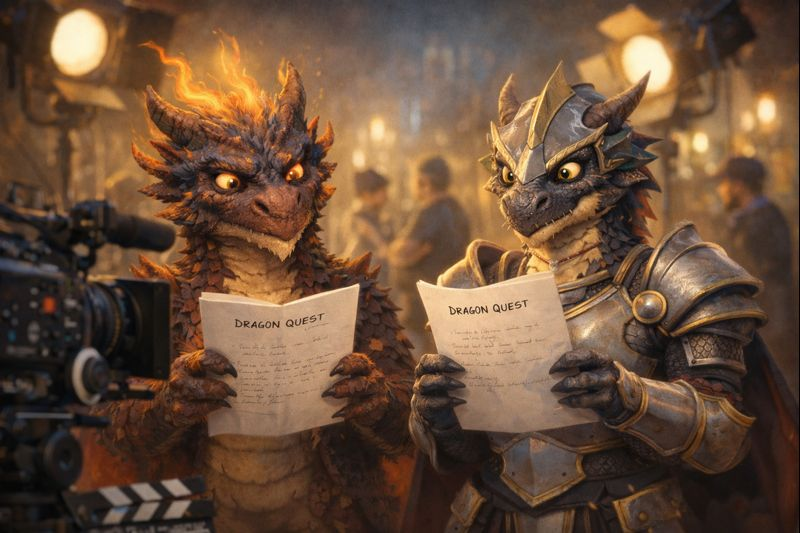
This creates opportunity for original children’s fantasy to be taken seriously from the beginning. It also reinforces the importance of behind-the-scenes thinking. When creators talk openly about how worlds are built, it helps parents, teachers, and partners understand the care involved. It positions a project as thoughtful rather than rushed. That transparency builds trust, which is essential in children’s media.
Another key element of the current shift is tone. Modern children’s stories are allowed to be gentle without being shallow. They are allowed to acknowledge uncertainty without creating fear. This tonal maturity mirrors what audiences are responding to in adult storytelling, but it is adapted with care.
Embrix fits naturally within this tonal space. It is imaginative without being chaotic. Emotional without being heavy. Structured without being rigid. These qualities align with where children’s storytelling is headed, not where it has been.
The resurgence of children’s book adaptations is not just about bringing old favorites to new screens. It is about reaffirming what makes children’s stories last. Strong characters. Consistent worlds. Emotional honesty. A sense of wonder that does not need to shout.
As this renaissance continues, original story worlds that embrace these principles are well-positioned. They don’t need to chase trends. They need to remain coherent, intentional, and open to growth. That’s how children’s stories become companions rather than products. And that’s what the current moment is quietly rewarding.