
Children’s Book Awards have long been shaped by adults deciding what children should value. Librarians, critics, publishers, and educators traditionally acted as gatekeepers, filtering stories through adult standards of quality, relevance, and literary merit. While that system produced many beloved classics, it often left out the most important voice in the room. The children who actually read the books.
That balance is starting to shift in a meaningful way. More awards are now giving children a direct role in judging, voting, and choosing winners. This change signals something bigger than a trend. It reflects a growing recognition that young readers are capable of critical thought, emotional insight, and honest judgment about the stories that speak to them most.
Children’s Booker Prize
The Children’s Booker Prize is set to launch in 2026 and already represents one of the most significant changes in children’s publishing in decades. What sets it apart is the inclusion of child judges alongside adults, giving young readers real authority in determining the winner. While the inaugural winner has not yet been announced, the structure itself has already made waves. It sends a clear message that children’s opinions are not symbolic, but central.
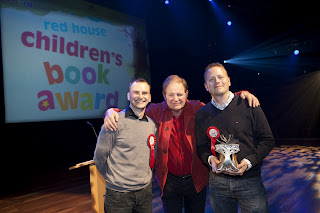
Red House Children’s Book Award
The Red House Children’s Book Award has long been a standout in the UK because children choose the winners outright. Adult panels help shape the longlist, but young readers ultimately decide which books take the prize. One of the most recent widely recognized winners was A Monster Calls by Patrick Ness, a book that resonated deeply with children while also earning critical acclaim. The award consistently shows that emotional truth matters to young readers.
Children’s Choice Book Awards
The Children’s Choice Book Awards are entirely driven by reader votes, making them one of the purest examples of kid-judged recognition. Children and teens across age groups vote for their favorite books, authors, and illustrators based on what they actually read and enjoy. The most recent winners reflect popularity rather than critical consensus, often highlighting books that dominate classrooms and bedtime reading. This award proves that impact matters just as much as literary prestige.
Young Reader’s Choice Awards
The Young Reader’s Choice Awards are organized through libraries and schools across parts of the United States and Canada. Children read from nominated lists and then vote for their favorites, making the final outcome a reflection of real engagement. Recent winners have included Swim Team by Johnnie Christmas and Odder by Katherine Applegate, both of which found strong support among young readers. These awards quietly shape reading culture year after year.
Waterstones Children’s Book Prize
The Waterstones Children’s Book Prize is judged by booksellers rather than children directly, but its selections strongly reflect what resonates with young audiences. Booksellers rely heavily on feedback from children and families when making their decisions. The most recent overall winner was The Café at the Edge of the Woods by Mikey Please, a title that gained momentum through reader enthusiasm. This award sits at the intersection of expert curation and reader response.
Carnegie Medal for Writing
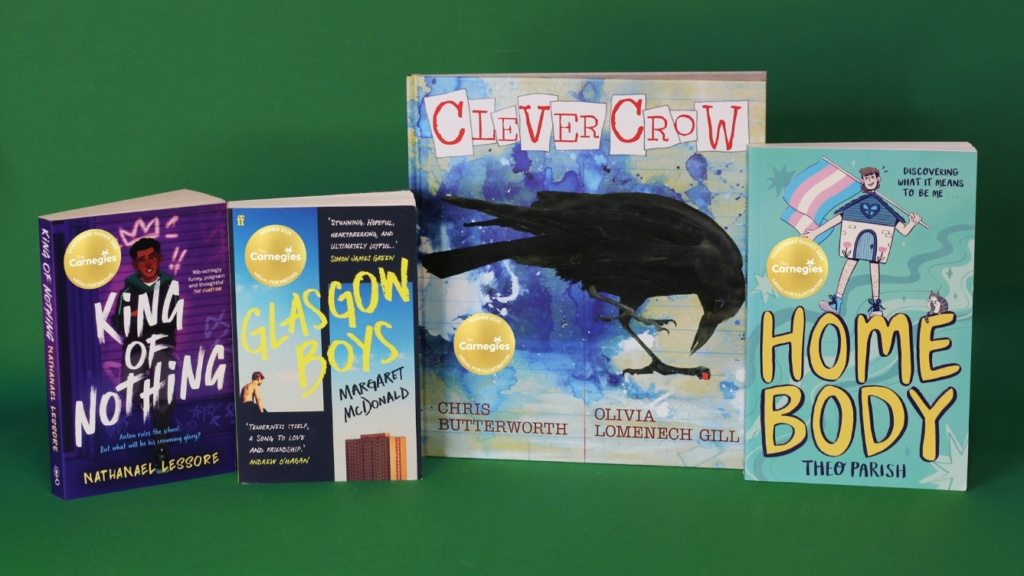
The Carnegie Medal remains one of the most prestigious awards in children’s literature, traditionally judged by librarians and educators. In recent years, the inclusion of youth shadowing panels has given children a meaningful voice in the conversation. The latest Carnegie Medal for Writing was awarded to Glasgow Boys by Margaret McDonald, while children participating in shadow panels selected their own favorites. This dual recognition highlights a growing respect for young readers’ perspectives.
Kate Greenaway Medal
The Kate Greenaway Medal honors excellence in illustration and visual storytelling. While judged by librarians, the award process increasingly incorporates interaction with children through school and library programs. Recent winners such as Clever Crow illustrated by Olivia Lomenech Gill demonstrate how visual storytelling resonates with young audiences. The medal reflects how illustration can communicate directly with children without adult interpretation.
These awards collectively show that Children’s Book Awards are evolving. Authority is shifting away from speaking for children and toward listening to them. As more institutions trust young readers to judge stories on their own terms, the future of children’s literature looks more honest, more diverse, and more alive.