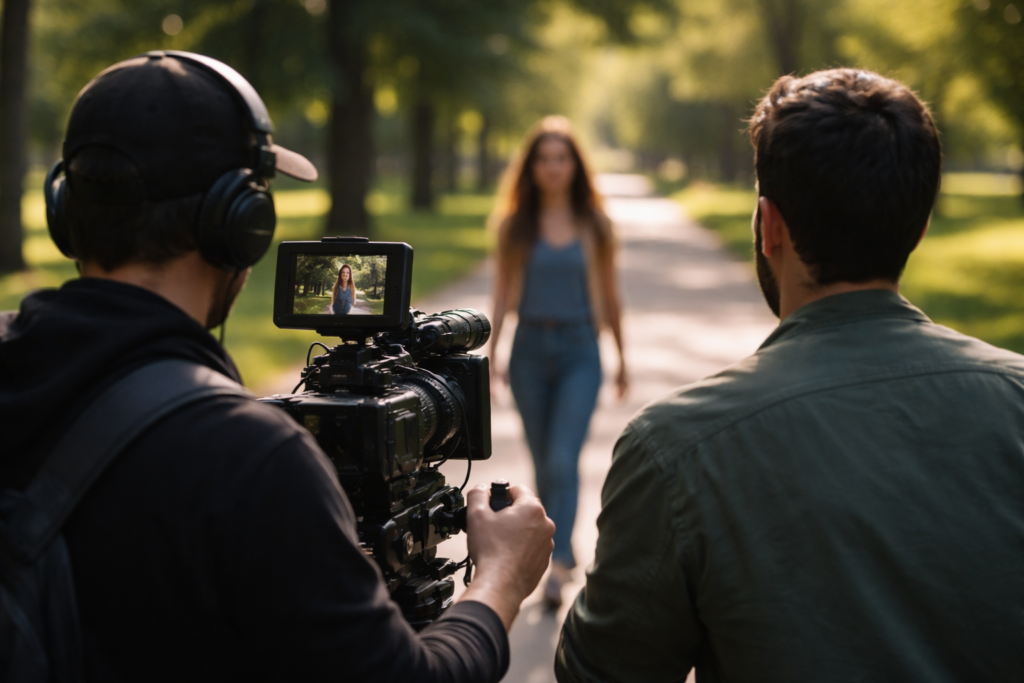
The perfect video used to be the goal. For a long time, it was the standard everyone chased and the benchmark clients expected. Smooth lighting. Locked frames. Clean audio. Scripts polished until no edges remained. But things have changed.
Quietly at first, then all at once. In 2026, audiences are no longer drawn to flawless work. They are drawn to presence. They want to feel something real happening in front of them, not something assembled to look perfect afterward.
This does not mean quality has disappeared. It means the definition of quality has become something different. The audience has become more visually literate than ever before. They recognize staging immediately. They can sense when a moment is rehearsed instead of lived. The highly polished corporate aesthetic that once signaled credibility now often signals distance. It feels like advertising before a single word is spoken. And when viewers feel that distance, they scroll.
What is winning right now isn’t sloppiness or chaos. It’s intention wrapped in realism. The most effective work feels close. It feels human. It feels as though the camera simply happened to be there when something honest unfolded. That feeling is rarely accidental. It’s crafted with care, just differently than before.
Part of this shift comes from exposure. Audiences spend their days moving between short-form feeds, live streams, interviews, podcasts, and documentaries. They see how things are made. They see behind the curtain constantly. That has created a new standard where overly polished visuals can feel less trustworthy than something textured and imperfect. Imperfection suggests presence. Presence suggests truth.
But raw doesn’t mean careless. There’s a difference between authenticity and laziness, and audiences can tell instantly which one they’re seeing. The work that resonates now still depends on lighting, framing, pacing, and structure. The difference is how those tools are used. Instead of flattening emotion, they support it. Instead of controlling every movement, they allow space for something real to happen inside the frame.
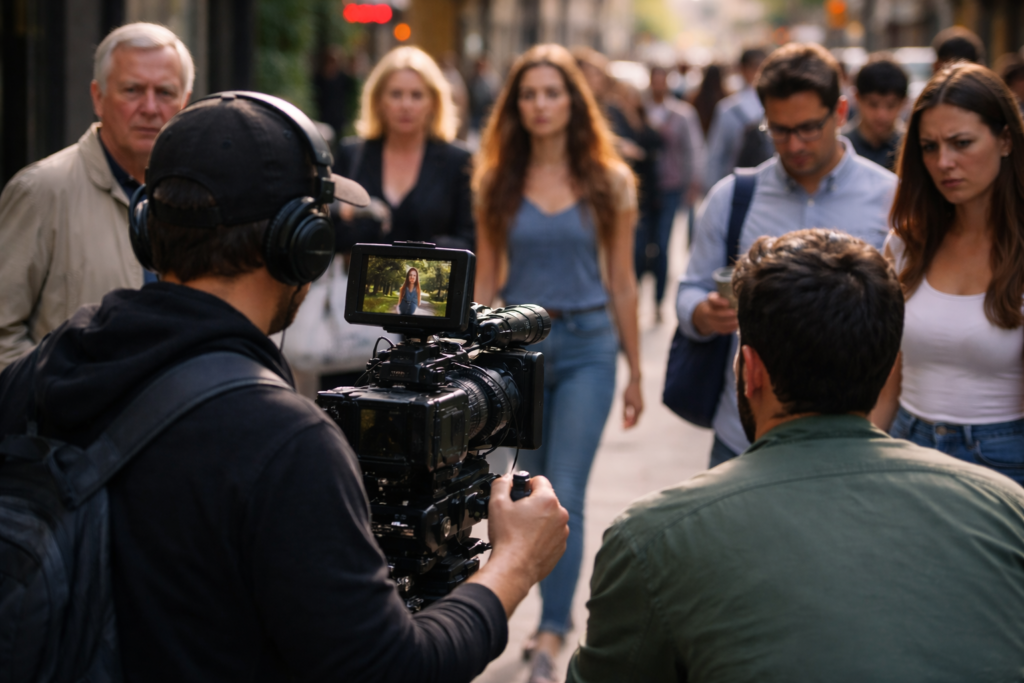
There’s also an emotional reason this shift is happening. Viewers are tired. They are overwhelmed by information, advertising, and endless content competing for attention. When something feels overly engineered, it adds to that fatigue. When something feels human, it cuts through it. That is why a handheld interview can hold attention longer than a scripted spot. That is why quiet, unscripted moments often outperform the most elaborate campaigns.
Cinema has always understood this balance. Some of the most powerful scenes in film history are not the biggest or the loudest. They are the simplest. The small glances. The pauses. The moments when the camera does not move, and the performance carries everything. That sensibility is now shaping brand storytelling as well. The cinematic look still matters. The difference is that it is now used to support authenticity rather than replace it.
Brands are learning quickly that audiences connect more deeply with personality than perfection. They respond to tone, rhythm, and presence. They want to feel the person behind the message. They want to understand the environment around the story. They want to see texture, hear natural sound, and experience something that feels lived instead of staged.
What has changed is not the importance of craft. Craft matters more than ever. The difference is that craft now serves transparency rather than polish alone. Lighting is used to create atmosphere instead of uniformity. Movement is used to create immersion instead of control. Editing is used to preserve emotion instead of smoothing it away.
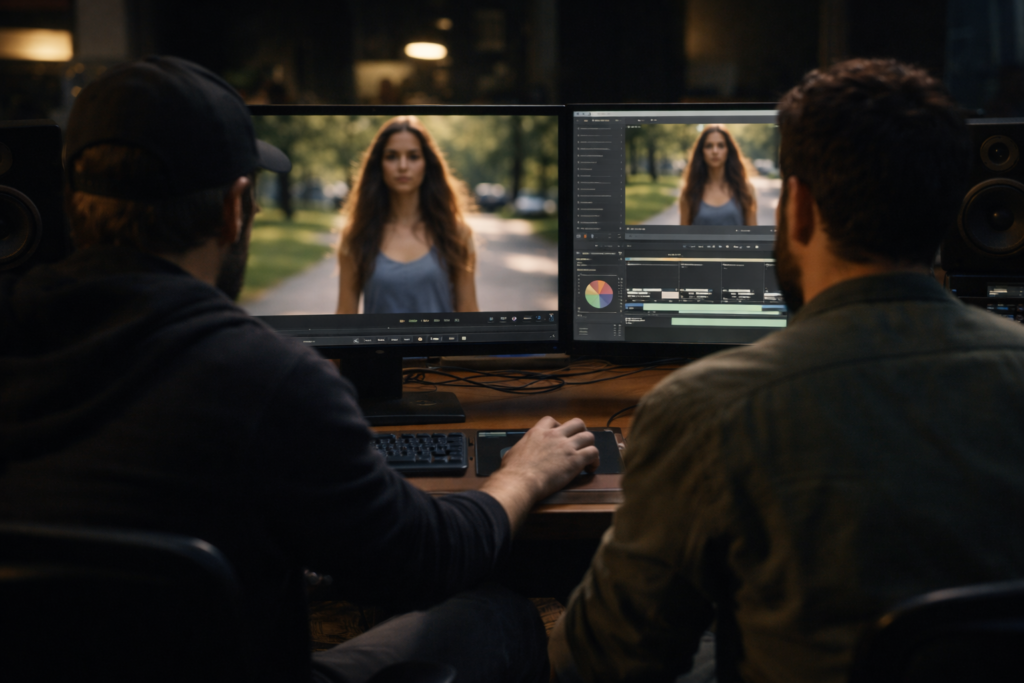
This shift also reflects a broader cultural movement toward honesty in storytelling. Documentaries, hybrid films, and conversational formats have shaped audience expectations across every platform. Even large productions now lean into realism. Films like Nomadland and The Florida Project resonated because they embraced texture and imperfection without losing cinematic beauty. That same instinct is shaping commercial storytelling today.
For brands, the lesson is clear. The goal is not to abandon production value. The goal is to rethink what production value looks like now. It is no longer about eliminating every flaw. It is about knowing which imperfections create connection and which ones break trust. That requires experience and a deeper understanding of storytelling.
The strongest work being created right now does not feel like advertising at all. It feels like observation. It feels like presence. It feels like something unfolding rather than something presented. That’s why it works. Because audiences don’t want perfection anymore. They want something they can believe.
The death of perfect video is not the end of quality. It is the beginning of something more honest. And for brands willing to embrace that shift, it’s an opportunity to tell stories that people don’t just watch. They feel them.