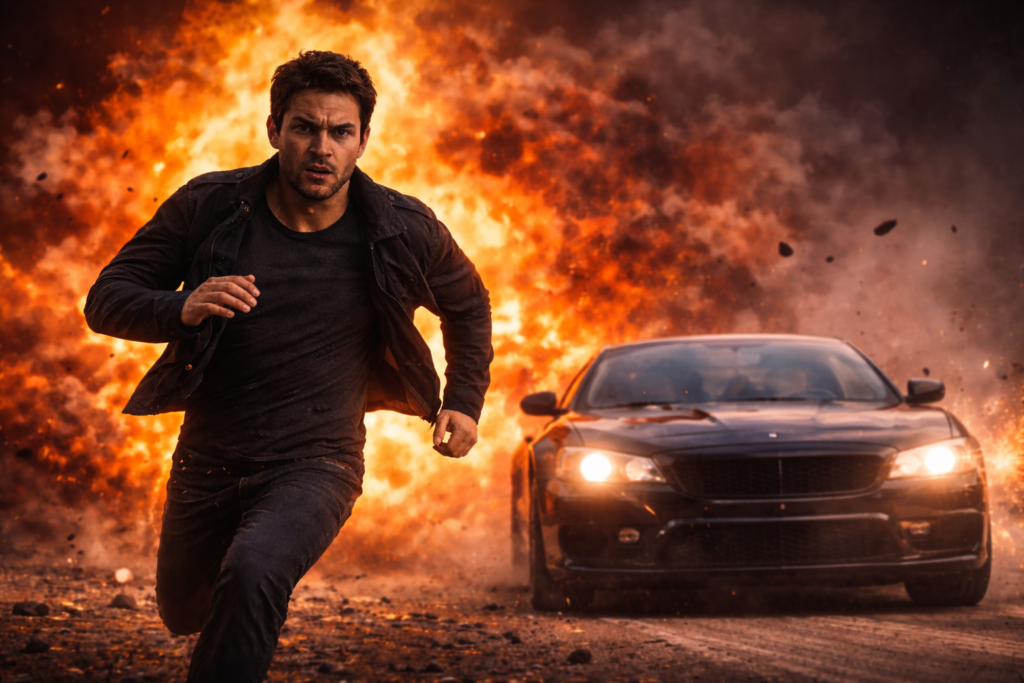
A great trailer can sell a movie better than the movie can sell itself. That’s not even an insult anymore. It’s just reality. The trailer gets two or three minutes to do its job. It doesn’t have to build a full story. It doesn’t have to earn emotional moments. It just has to grab the best shots, the best music, the sharpest lines, and stitch together a promise.
Sometimes that promise is better than what shows up on screen. That’s why people still walk out of certain movies feeling like they were sold one thing and handed something else. It’s a blessing and a curse.
Suicide Squad is one of the easiest examples. The trailer had attitude, energy, and just enough chaos to make it feel like DC was about to deliver something dangerous and fun. Even Rotten Tomatoes’ own write-up on the movie points to the final product’s muddy story and clunky final act, and the film still sits at a 26 percent critic score there. The trailer had swagger. The movie felt stitched together.
Godzilla from 2014 is a slightly different problem. The trailer sold dread. It sold scale. It sold Bryan Cranston like he was going to be the emotional core of the whole thing. The actual movie got a much better critical reception than some of the others on this list, with a 76 percent critic score on Rotten Tomatoes, but that doesn’t change the fact that a lot of people walked in expecting one movie and got another. The trailer made it feel like a tense, human disaster film with a monster in the middle of it. The movie pulled its focus elsewhere.
Then there’s Prometheus. This one’s almost impressive because the trailer made mystery feel rich and meaningful. It hinted at huge ideas about creation, origins, and cosmic terror. The movie still reviewed fairly well overall, with a 73 percent critic score and 68 percent audience score on Rotten Tomatoes, but the trailer sold clarity wrapped in mystery. The movie delivered mystery wrapped in more mystery, and for a lot of viewers, that’s not the same thing. A trailer can make unanswered questions feel profound. A full movie eventually has to cash the check.
Downsizing may be the cleanest example of the problem. The trailer sold a clever high-concept comedy about shrinking people to save money and simplify life. That’s a funny premise, and the preview leaned into it hard. The actual movie wandered into a much stranger, more philosophical place. That doesn’t automatically make it bad, but it does make it feel like the trailer was advertising a different experience. When people think they’re buying one kind of movie and get another, disappointment shows up fast.
That’s really the heart of the issue. The trailer isn’t trying to be fair. It’s trying to be irresistible.
It cuts out dead air. It cuts out confusion. It cuts out every scene that only exists to hold the story together. It keeps the explosions, the tension, the kisses, the jokes, the money shots, and the big reveal music. It turns a full meal into a perfect bite. Then the movie has to show up and be an actual movie, with setup, transitions, side characters, pacing, and all the things trailers are smart enough to avoid. That’s why the trailer can feel tighter, cooler, and more alive.
Sometimes the movie’s still decent. Sometimes it’s even good. But the trailer got there first and left a bigger impression. It promised a version of the film that lived in your head before the opening scene ever rolled. Once that happens, the movie isn’t just trying to entertain you. It’s trying to catch up to your imagination. And that’s a rigged game.