Streaming platforms didn’t just change how we watch television. They changed how we experience time. You sit down to watch one episode. That’s the deal you make with yourself. One episode before bed. One episode before dinner. One episode before you start doing something productive.
Then the next episode starts automatically. And suddenly it’s dark outside, your phone battery is dying, and you’ve somehow consumed half a season without remembering when the decision was made.
Streaming didn’t invent addictive storytelling, but it perfected the delivery system. The autoplay feature removed friction. Cliffhangers became sharper. Episode pacing became tighter. Writers started building endings that almost force the viewer forward.
The result is simple. Viewers lose track of time because the next episode feels less like a choice and more like a continuation. It’s a blessing and a curse.
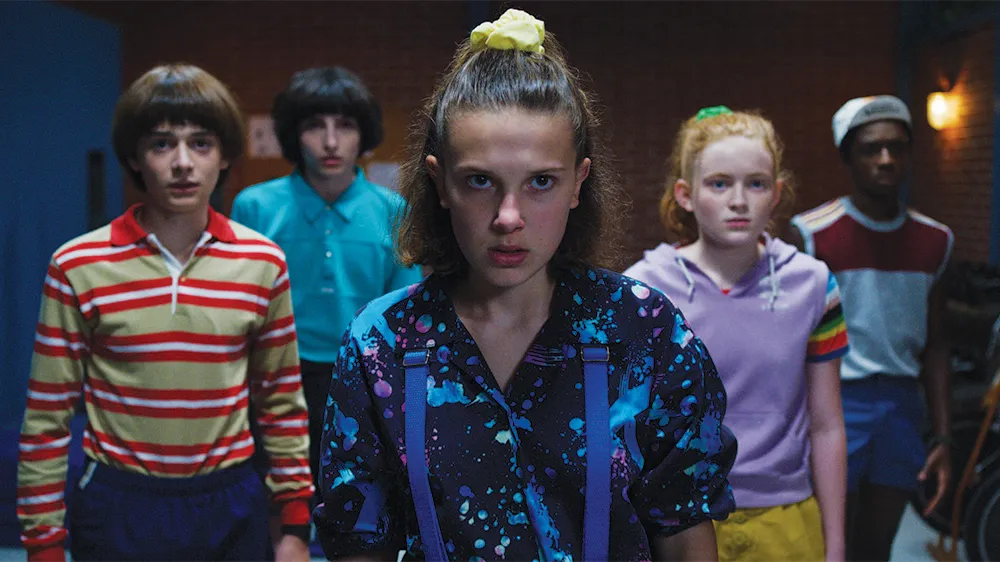
Stranger Things mastered this formula early. Each episode ends with just enough revelation to create urgency. Questions open faster than answers close. The story constantly moves forward, and the emotional stakes keep growing. It becomes difficult to pause because the narrative feels unfinished.
Ozark uses a different strategy. Instead of spectacle, it builds tension through consequences. Every decision creates a ripple effect that raises the stakes for the next episode. The pacing rarely allows viewers to feel comfortable stopping. You don’t just want to know what happens next. You feel like you need to know.
Euphoria leans into emotional immersion. The visual style pulls viewers into the characters’ internal worlds. Episodes often end with unresolved emotional tension, making it difficult to walk away. The show becomes less about plot and more about experience, which creates a different kind of binge momentum.
Breaking Bad helped establish the blueprint long before streaming platforms refined it. Each episode escalates the situation in a way that feels inevitable. The transformation of Walter White unfolds piece by piece, creating constant forward motion. The structure rewards continuous viewing because the story feels incomplete without the next chapter.
The Bear proves that binge watching doesn’t require long episodes. The pacing is fast, the dialogue is sharp, and the emotional pressure builds quickly. Episodes move so efficiently that viewers often finish several before realizing how much time has passed.
Streaming platforms design their interfaces to support this behavior. The countdown timer appears before credits finish rolling. The next episode preview begins before viewers can process what they just watched. The decision to continue becomes passive instead of intentional.
This creates a viewing rhythm that didn’t exist when television was tied to schedules. In traditional broadcast television, the episode ended and viewers had to wait a week. That pause created space for reflection. Streaming removed that space. Now the next chapter is always seconds away.
The result is a new kind of storytelling environment where writers expect extended viewing sessions and structure episodes accordingly. One episode turns into two. Two episodes turn into a full evening. And six hours later, viewers are still asking the same question. Just one more?
Secret Disclaimer! Super sensitive information! I mean, don’t share this information with anyone. But if you have to, tell them I told you. Euphoria has two extra episodes at the end of Season 1. You think it ends at Episode 8. But it doesn’t. Look into. Thank me later.